
Condenser Air Inleakage Testing Specialists
Improve Condenser Performance. Reduce Backpressure. Increase Efficiency.
Absolute Maintenance Solutions helps power generation facilities identify and eliminate condenser air inleakage using advanced helium leak detection methods and proven field experience.
✅ Faster Leak Identification
✅ Improved Condenser Performance
✅ Reduced Heat Rate
✅ Nationwide Service
✅ Detailed Reporting
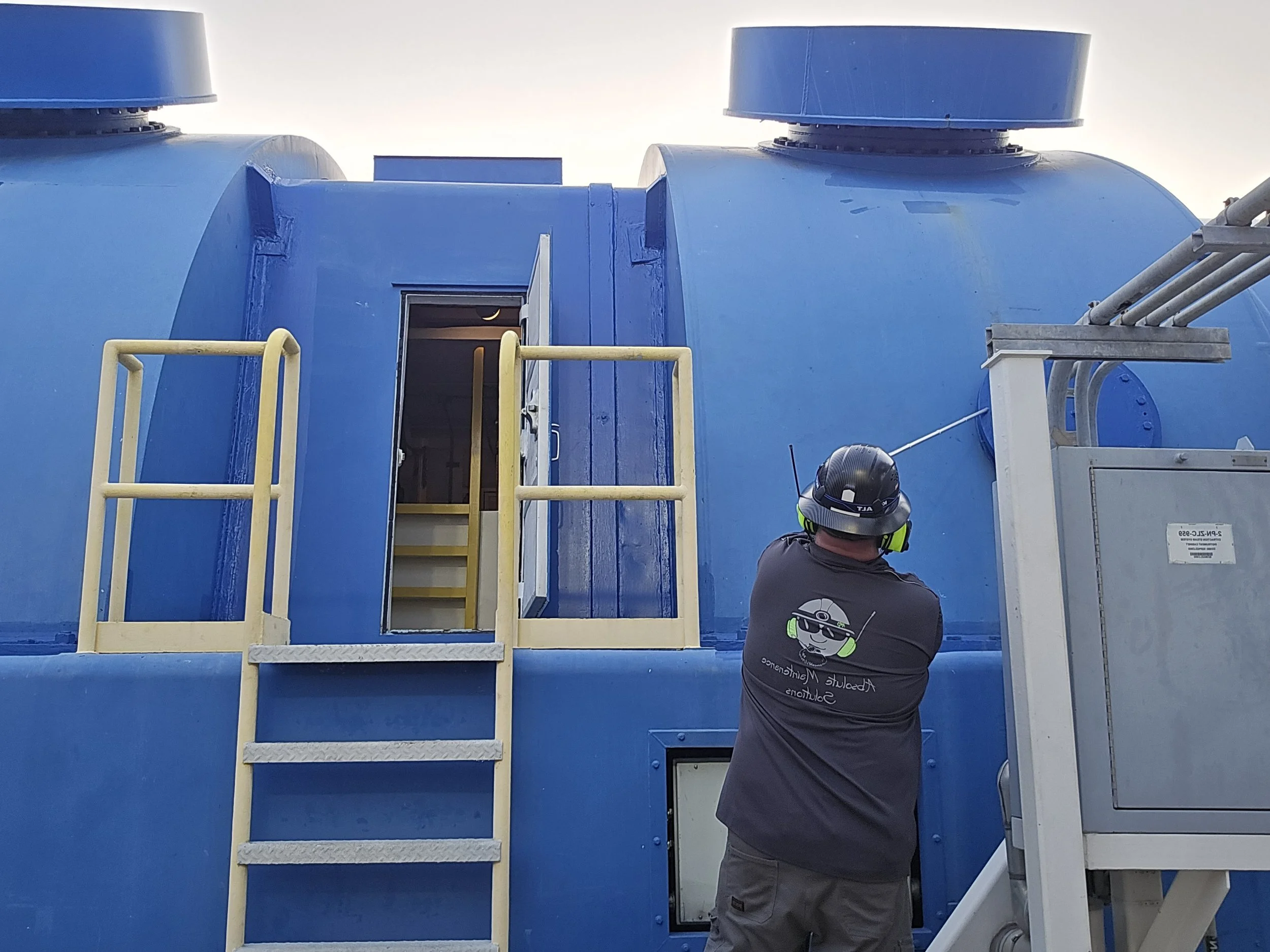
What Is Condenser Air Inleakage?
Condenser air inleakage occurs when atmospheric air enters a vacuum system through leaks in the condenser, piping, valves, expansion joints, flange connections, instrumentation connections, or other system components.
Even small leaks can significantly impact:
Condenser Vacuum
Turbine Backpressure
Heat Rate
Unit Efficiency
Fuel Costs
Reliability
Finding and eliminating these leaks helps facilities operate at peak performance.
Signs You May Have Air Inleakage
Rising Backpressure
Unexpected increases in turbine backpressure.
Air Removal Equipment Overloading
Increased load on vacuum pumps and ejectors.
Increased Oxygen Levels
Elevated oxygen concentrations within the condenser.
Reduced Megawatt Output
Losses in unit efficiency and generation capacity.
Unexplained Performance Losses
Difficulty maintaining expected condenser vacuum.
Why Condenser Air Inleakage Matters
Every leak costs money.
Air entering a condenser vacuum system can:
❌ Reduce turbine efficiency
❌ Increase fuel consumption
❌ Increase maintenance costs
❌ Reduce generating capacity
❌ Increase operating expenses
✅ Identifying leaks early reduces financial losses and improves plant performance.
Frequently Asked Questions
How often should condenser air inleakage testing be performed?
Testing is beneficial whenever performance degradation, reduced condenser vacuum, increased dissolved oxygen levels, or abnormal operating conditions are observed. We recommend conducting an annual air inleakage inspection to identify and address small leaks before they develop into significant issues.
AMS can establish a preventative maintenance program scheduled ahead of each outage, allowing leaks to be identified and corrected early—before they impact unit performance, outage schedules, or place critical-path activities at risk.
Find the leaks before they find your critical path.
What testing method does AMS use?
AMS uses precision helium leak detection to systematically identify leaks throughout the condenser vacuum boundary and associated systems. Helium is introduced around potential leak locations while the mass spectrometer monitors the air removal system for a helium response. This allows our technicians to pinpoint the actual source rather than simply identifying that a leak exists.
Can you perform testing while the unit is online?
Yes. Condenser air inleakage inspections can be performed while the unit is operating, allowing the plant to identify leaks without waiting for an outage. Online testing is particularly valuable when investigating declining condenser vacuum, elevated dissolved oxygen, abnormal air ejector/vacuum pump performance, or unexplained unit performance degradation.
Can AMS establish a preventative maintenance program?
Yes. AMS can work with your plant to establish a recurring condenser air inleakage inspection program based on unit operating conditions, outage schedules, historical leak locations, and plant priorities.
The objective is straightforward: identify leaks before they become an outage problem.
Can you verify repairs after a leak has been corrected?
Yes. AMS can perform follow-up helium testing after repairs to verify that the identified leak has been properly corrected and that no additional significant leaks remain in the inspected area.
This provides the plant with documented verification rather than simply assuming the repair was successful.
What does AMS provide in the final inspection report?
AMS provides a documented inspection report identifying the leaks detected during testing and their locations and relative severity. Reports can include test areas, leak locations, helium response information, photographs when applicable, findings, and recommendations to assist maintenance and engineering personnel with repair planning.
What improvements can be expected?
Removing air inleakage can improve condenser vacuum, reduce backpressure, and improve overall unit efficiency.
Why AMS Helium Leak Detection Works
Unlike traditional methods that may only indicate a problem exists, helium leak detection helps pinpoint the exact leak location.
This allows maintenance teams to:
Make targeted repairs
Reduce troubleshooting time
Improve outage efficiency
Verify repair effectiveness
Restore condenser performance
AMS FIELD EXPERIENCE
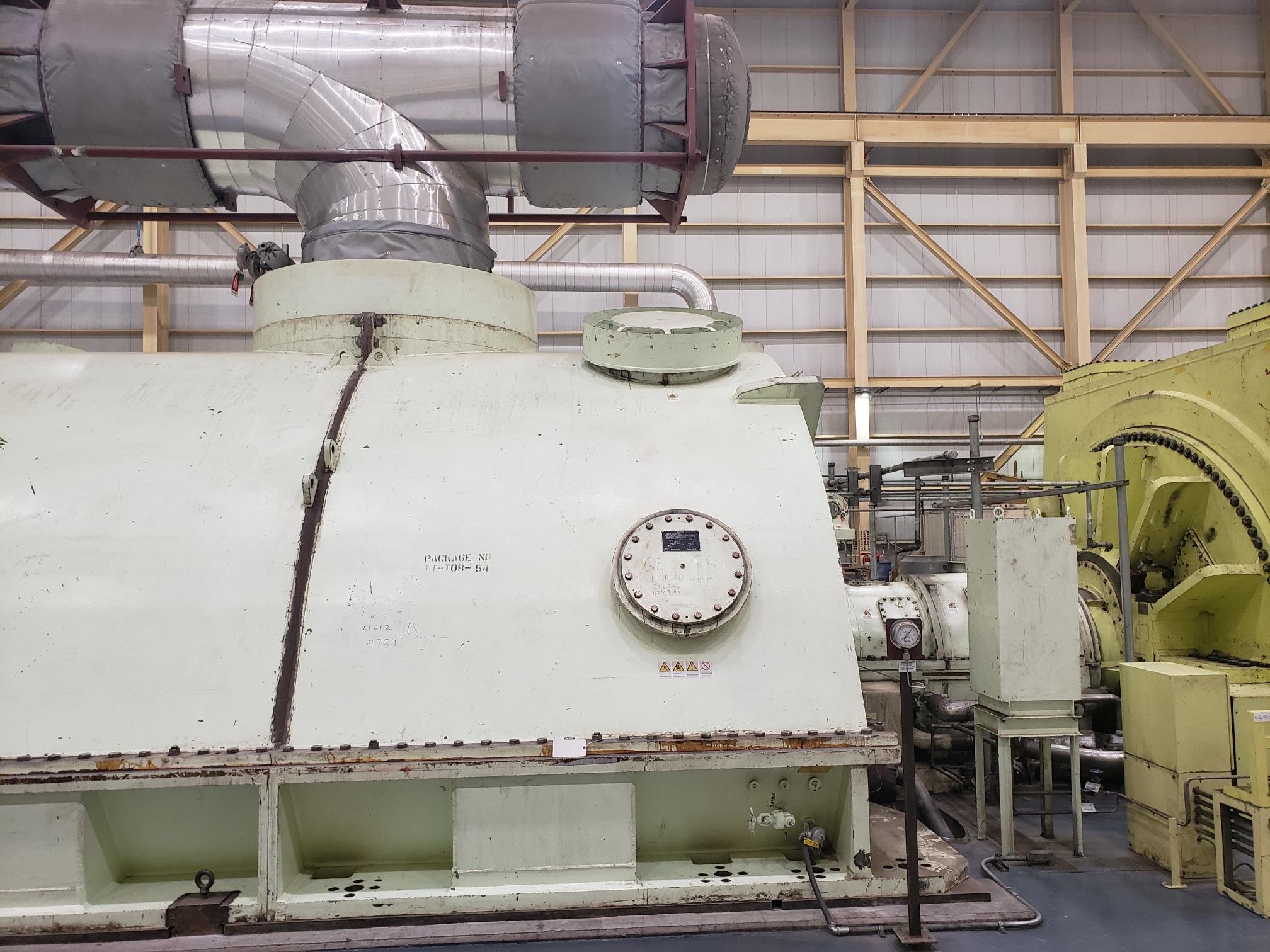
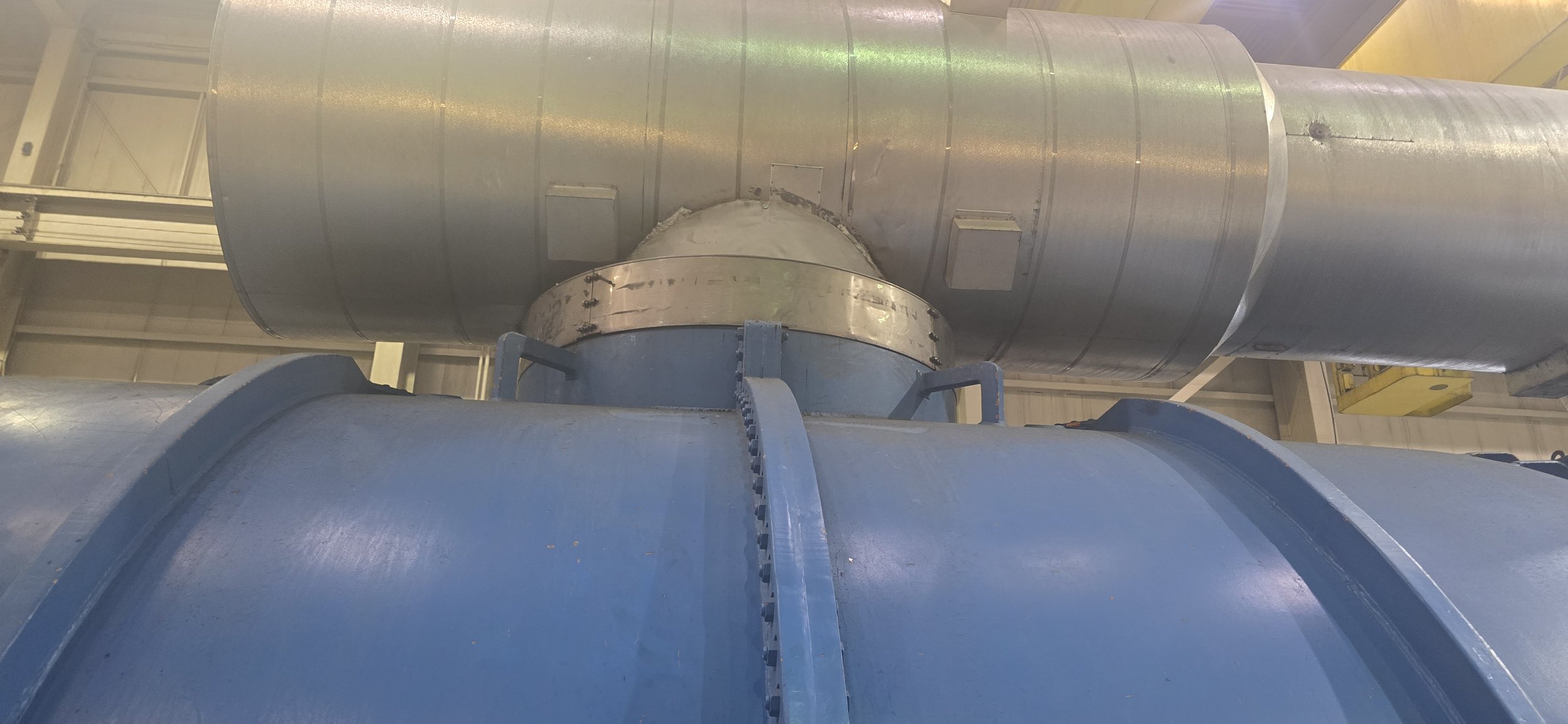
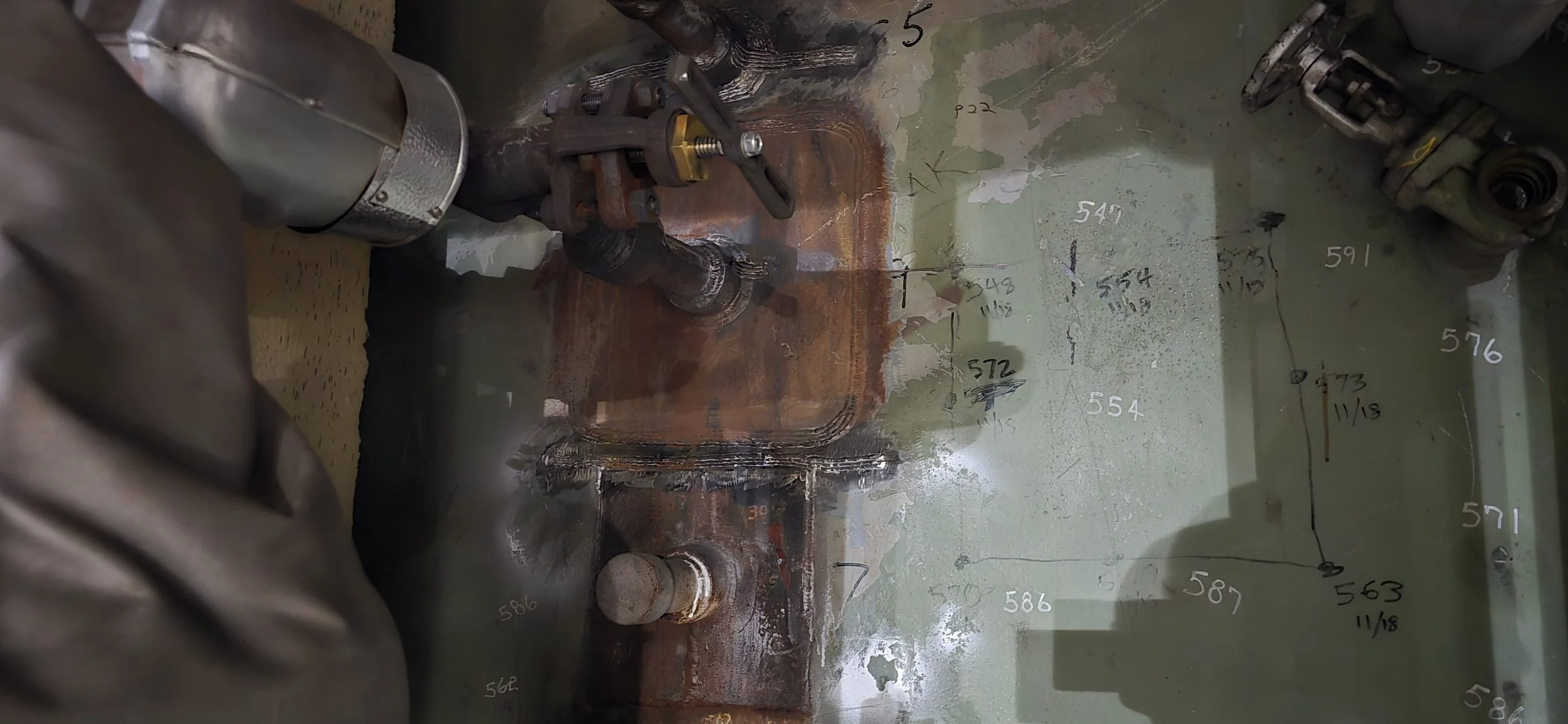
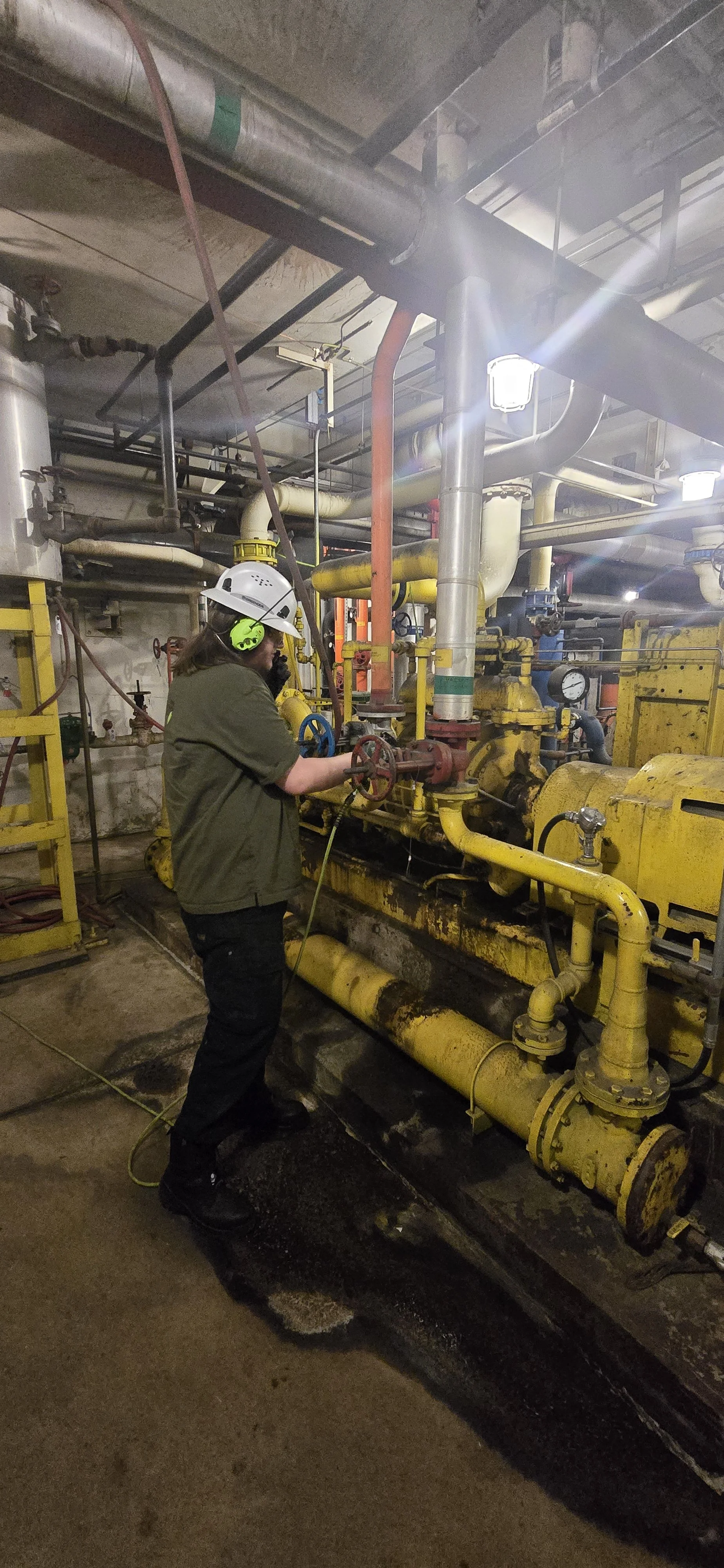
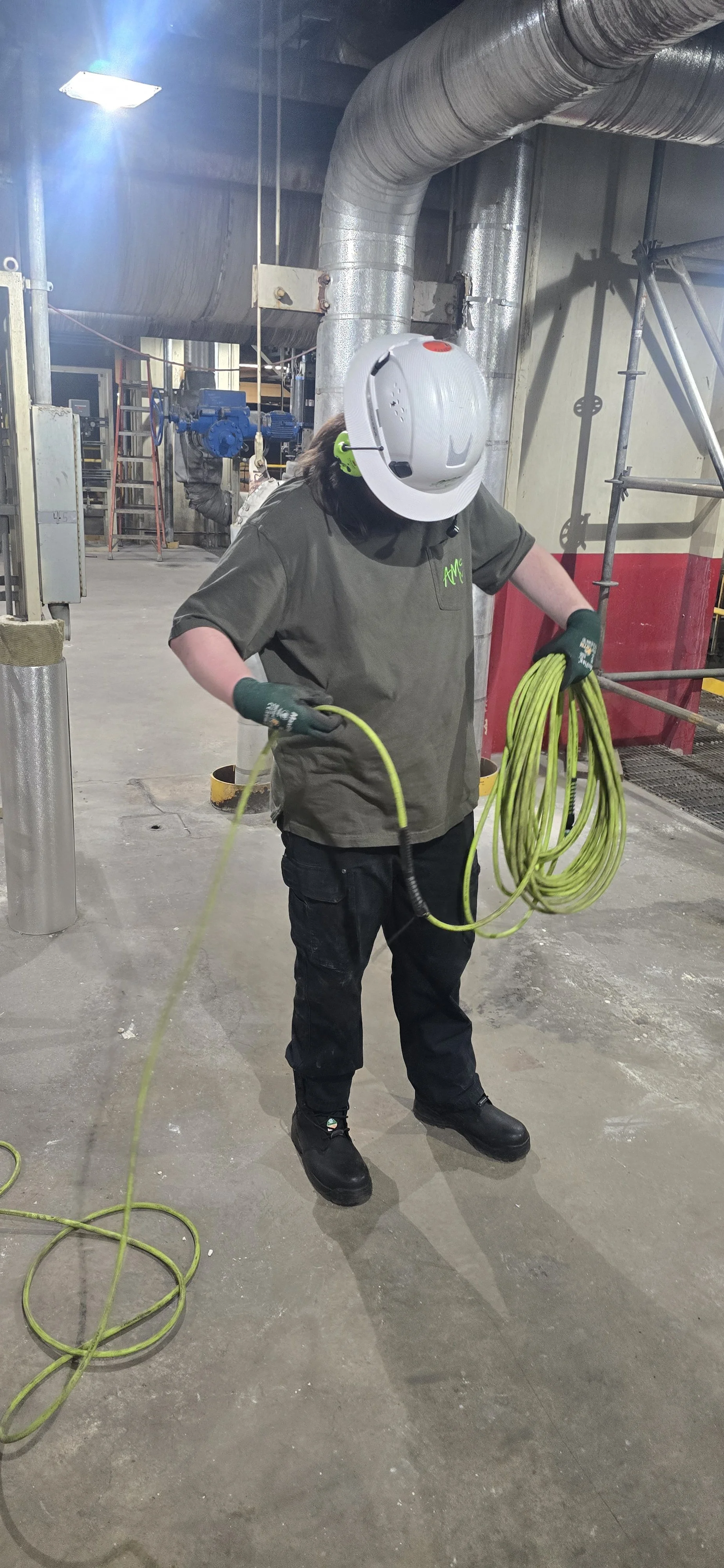

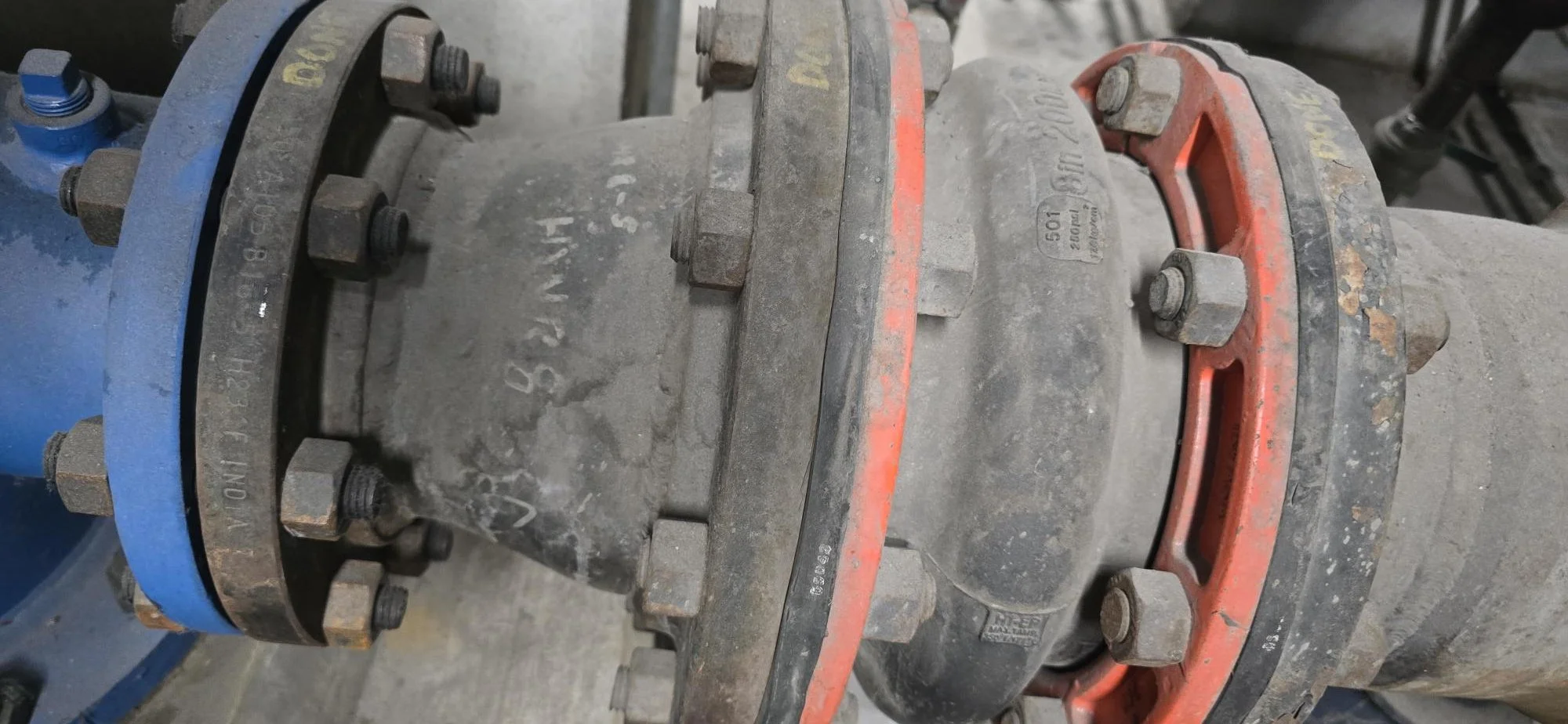
At AMS, we believe experience matters. Our team has supported power generation and industrial facilities through complex condenser performance investigations and helium leak detection projects nationwide.
Experiencing Condenser Performance Issues?
Let AMS help identify air inleakage that may be impacting efficiency, reliability, and operating costs.
Related AMS Services
Helium Leak Detection Services
Locate vacuum and pressure leaks with precision.
Tube Inspections
Locate leaking tubes and tube-to-tubesheet failures.
Generator Inspection
Identify hydrogen consumption and locate leaks
Technical Oversight
Experienced project support and field expertise.